The list of claimed compression boots benefits has grown to the point of absurdity. Slimmer thighs, glowing skin, detoxification, lymphatic miracles, lactic acid flushing, athletic transformation. Most of those claims came from spa marketing, not from clinical research.
The real benefits are narrower, but they are also concrete, measurable, and worth knowing if you are deciding whether a $300 to $1,000 device belongs in your recovery routine. Pneumatic compression does specific things to specific physiological systems, and those things are useful in specific situations.
Here is what the boots actually deliver, separated cleanly from what the marketing wishes they did.
How Compression Boots Produce Their Effects
Before listing the benefits, the mechanism matters because it explains why some claims hold up and others fall apart. Compression boots use intermittent pneumatic compression (IPC), a technique borrowed from hospital medicine where it has been used for decades to prevent deep vein thrombosis after surgery and to manage lymphedema.
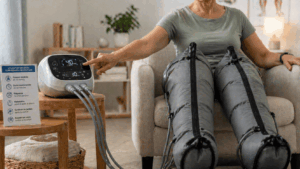
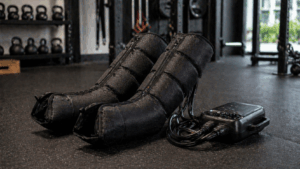
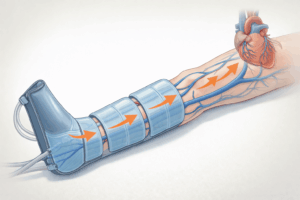
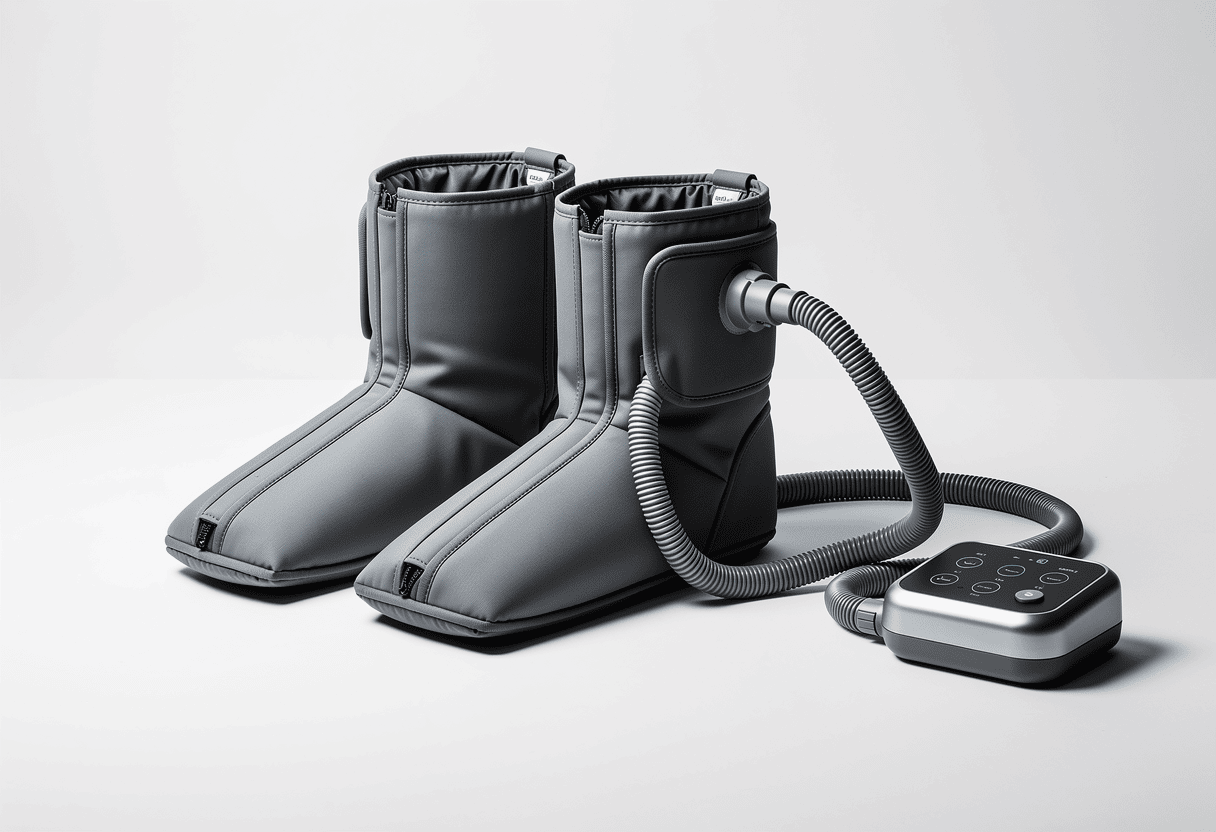
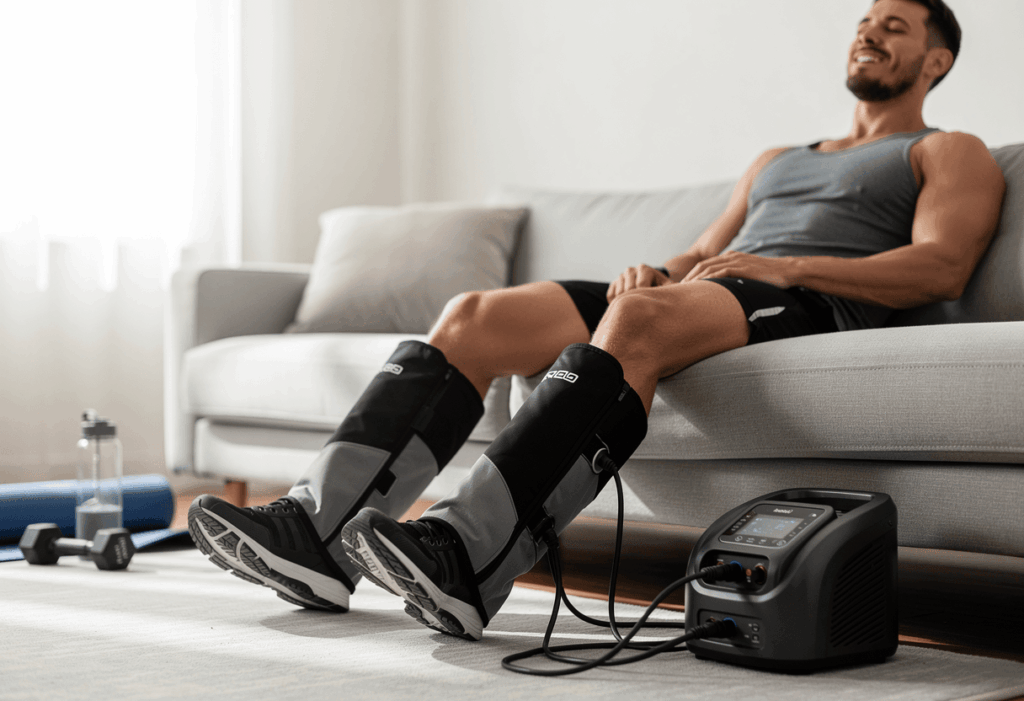
Air chambers inside the sleeve inflate sequentially from the foot upward, then deflate, then start over. The pressure cycles are typically run at 60 to 80 mmHg, with peak settings reaching 100 mmHg or more on premium devices.
The sequential pump mechanically pushes venous blood and lymphatic fluid upward toward the heart, mimicking the natural muscle pump that normally does this work during walking. This is the foundational effect, and almost every legitimate benefit traces back to it.
What the boots do not do is “detoxify” the body in any meaningful sense, change cellulite, or alter body composition. Those are marketing layers added on top of a real but narrow physiological effect.
Reduced Muscle Soreness and Perceived Recovery
This is the most consistently supported benefit of leg compression in the published research, and it is the reason most people end up buying a pair.
A 2022 systematic review and meta-analysis published in the Journal of Clinical Medicine pooled data from multiple pressotherapy studies and found a moderate effect size for reducing the severity of delayed onset muscle soreness. A 2024 systematic review in Biology of Sport, covering 17 studies and 319 athletes, reported small but real improvements in subjective recovery markers across mixed athletic populations.
The honest framing is that compression boots reliably reduce how sore your legs feel, even when objective performance markers (sprint times, peak power, force output) show smaller or no changes. That distinction matters less than it sounds. If you wake up the morning after a long run with legs that feel 20% less wrecked, you train more consistently. Consistency over months produces adaptation.
The research also shows that this effect is comparable to massage in head-to-head studies, with the practical difference that the boots are available every night at home for a one-time cost, while massage is $80 a session and requires booking.
Improved Venous Return and Circulation
This is the benefit with the strongest mechanistic basis, because IPC was originally developed in vascular medicine for exactly this purpose.
Studies measuring lower-limb blood flow show that pneumatic compression acutely increases venous return, the rate at which deoxygenated blood leaves the legs and travels back to the heart. The effect is measurable on Doppler ultrasound and consistent across populations, from healthy athletes to patients with peripheral vascular concerns.
For people who sit at a desk all day, stand on hard floors for ten hours, or travel frequently on long flights, this matters. Gravity is constantly pooling blood in your lower legs, and the venous return system relies on muscle activity to push it back up. Sitting still defeats that mechanism.
A 20 minute compression session in the evening replaces some of the work your calf muscles should have been doing all day. The result is the “lighter legs” sensation users report after the first session, and it is not placebo, it is venous biomechanics.
For people with diagnosed peripheral artery disease, severe varicose veins, or other vascular conditions, compression boots should only be used under medical guidance, but the underlying mechanism is the same one clinicians prescribe compression therapy for.
Lymphatic Drainage and Reduced Swelling
The lymphatic system runs roughly parallel to the venous system but operates at much lower pressures and without a central pump. Lymph relies almost entirely on muscle contractions and external pressure to keep moving.
Pneumatic compression mechanically assists lymphatic flow, which is why IPC has been a standard treatment for lymphedema for decades. A 2014 study in Lymphatic Research and Biology examined long-term IPC therapy for lower-limb lymphedema and confirmed clinical benefit when used consistently.
For healthy users, this translates into reduced post-workout swelling, less puffiness after long flights, and quicker resolution of the “heavy legs” feeling after standing all day. The effect is more noticeable than people expect, particularly if you have been sitting or standing immobile for hours before the session.
For users with diagnosed lymphedema, the benefits are clinically established but require specific protocols and medical supervision. The same device used recreationally for post-workout recovery may need different pressure settings and longer sessions when used therapeutically.
What compression boots do not do is “detoxify” anything. The lymphatic system is not a toxin-disposal system in the way wellness marketing implies, it is a fluid-balance and immune-function network. Moving lymph faster does not flush toxins from your body, it just reduces tissue swelling and helps the immune system operate more efficiently.
Faster Return to Training Between Sessions
For athletes stacking back-to-back hard workouts, this is the practical benefit that justifies the device cost. Recovery boots benefits compound during heavy training blocks, race weeks, and multi-day events.
The mechanism is indirect but real. The boots reduce perceived fatigue and soreness, which means you start the next session feeling fresher, which means you can hit your prescribed intensity more consistently, which means your training load actually delivers the adaptation it was designed to produce.
This is why compression boots are standard equipment in NBA training rooms, NFL recovery suites, and college athletic departments. It is not because pros need a magical recovery edge, it is because at high training volumes, even small reductions in perceived heaviness translate into more usable training days per week.
For recreational athletes training three times a week, this benefit is much smaller. If you are not pushing your recovery capacity to its limit, you do not need a device to extend it. The boots earn their keep when you actually have a recovery deficit to manage.
Reduced Leg Heaviness for Non-Athletes
The most underrated pneumatic compression benefits show up outside the athletic context entirely. Nurses, hospitality staff, retail workers, teachers, and anyone who spends 10 hours a day on their feet experiences a measurable improvement in evening leg heaviness with regular sessions.
The mechanism is the same venous return effect that helps athletes, but the use case is different. Standing all day causes blood and interstitial fluid to pool in the lower legs, and the calf muscle pump that should clear it gets fatigued. By evening, the legs feel heavy, swollen, and sometimes ache.
A 20 minute session in compression boots after a long shift produces the same “lighter legs” effect that athletes report post-workout. For people with jobs that physically punish their lower extremities, this can be the difference between recovering enough to function the next day and chronic accumulating fatigue.
Frequent travelers see similar benefits. Long flights, long drives, and any extended period of immobility creates the same venous pooling problem, and a session after arrival visibly reduces the puffiness and discomfort.
Improved Flexibility and Range of Motion
This benefit is smaller and the evidence is weaker, but it is real enough to mention. Some studies have observed that IPC mitigates the reductions in flexibility that typically follow intense exercise, particularly in the days after eccentric or high-volume training.
The likely mechanism is reduced muscle swelling and edema, which lets joints move through their normal range without the stiffness that accompanies fluid buildup in tissue. A leg that is less swollen is a leg that bends more easily.
This is not a primary reason to buy compression boots, but it is a reasonable secondary benefit during heavy training blocks. If you are noticing a stiff hamstring or tight calf the morning after hard workouts, regular sessions can take the edge off.
Convenience and Compliance
This is the benefit nobody talks about, and it is arguably the most important one. The best recovery tool is the one you actually use consistently, and compression boots win that comparison decisively.
Cold water immersion has stronger evidence for reducing inflammation markers than pneumatic compression, but almost no one fills an ice bath every night for a year. Massage produces slightly larger soreness reductions in head-to-head studies, but a weekly massage costs more than the boots do over time and requires booking and travel.
Compression boots sit in your living room. You can use them while answering emails, watching something, or eating dinner. The compliance gap matters more than small differences in efficacy because a 25 minute session done five times a week beats a 60 minute session done once a month, every time.
This is why the boots have become the dominant recovery tool in NBA, NFL, and college training rooms. The marginal benefit per session is modest. The cumulative benefit of consistent daily use is substantial.
What Compression Boots Will Not Do
Worth being explicit about, because the marketing claims have gotten silly. The boots do not “detoxify” your body. They do not reduce cellulite. They do not improve skin tone or texture in any lasting way. They do not change body composition. They do not “burn fat” or contour your legs.
They also do not flush lactic acid in any meaningful sense. Blood lactate clears within an hour of exercise stopping, with or without compression, and one well-controlled 2019 study from Sacred Heart University actually found higher lactate during subsequent exercise after IPC use, not lower. The “lactic acid flush” framing is a marketing oversimplification of what is actually venous return and lymphatic drainage.
And they do not replace sleep, nutrition, training load management, or stress control. No recovery tool fixes a broken foundation. Compression boots are an addition to a working recovery routine, not a substitute for one.
Who Actually Sees the Most Benefit
The research, taken honestly, points to four groups where the benefits are clearly worth the device cost.
High-volume endurance athletes, marathoners, triathletes, ultrarunners, and cyclists in heavy training blocks. The recovery deficit is real, the daily use earns its keep, and the perceived freshness translates into more consistent training.
People who stand or sit immobile all day for work, including nurses, retail workers, hospitality staff, teachers, and frequent travelers. The venous return benefit is the closest thing the boots have to a clinical effect, and it shows up reliably for this group.
Athletes recovering from minor lower-body strains or managing chronic stiffness, with clinician approval. The mechanism connects directly to the boots’ clinical roots in vascular medicine.
Anyone already paying for weekly sports massage. The boots are not as good as a skilled therapist, but they are available every night for a one-time cost, and the math usually works out within a year.
Recreational athletes training two or three times a week without significant accumulating fatigue will get more benefit from an extra hour of sleep, a real meal, and a foam roller than from a $700 device.
Compression Boots Benefits, Frequently Asked Questions
Do compression boots really improve circulation?
Yes, this is the benefit with the strongest mechanistic evidence. Doppler ultrasound studies show pneumatic compression acutely increases venous return in the lower limbs, and the same mechanism has been used in clinical vascular medicine for decades. The effect is real, measurable, and consistent across populations. Whether that improved circulation translates into specific health outcomes depends on what you are using the boots for.
Can compression boots help with cellulite or body shaping?
No. There is no credible evidence that compression boots reduce cellulite or change body composition in any lasting way. The temporary “slimmer legs” effect some users notice after a session is reduced fluid retention, not fat loss or fascial remodeling, and it disappears within hours. Marketing claims to the contrary are not supported by clinical research.
Are compression boots good for varicose veins?
Possibly, with medical guidance. The venous return mechanism is the same one targeted by prescribed compression therapy for venous insufficiency, but varicose veins are a clinical condition that should be evaluated by a vascular specialist before starting any compression routine. Some vein conditions benefit from pneumatic compression, others require different management.
How fast do you feel the benefits?
Most users notice lighter, less heavy legs within five minutes of removing the boots after their first session. The perceived soreness reduction shows up the morning after a hard workout when you compare the post-boots day to a control day. The cumulative training benefit, more consistent sessions across a heavy block, takes a few weeks to become obvious.
Do the benefits depend on which brand you buy?
The core mechanism is the same across price tiers from $200 entry-level devices to $1,000 premium systems. The benefits depend more on consistent use than on the specific brand. Higher-priced devices add features like wireless operation, app integration, zone customization, and better build quality, none of which change the fundamental compression effect. A $300 device used five times a week beats a $1,000 device used twice a month.
Are compression boots better than compression socks?
They do different jobs. Compression socks apply static, constant pressure and are designed to be worn during activity or extended sitting and standing to maintain venous return throughout the day. Compression boots apply dynamic, sequential pressure and are designed for short, focused recovery sessions. Most active people benefit from owning both, used at different times for different purposes.
Can compression boots help with sleep?
Indirectly, yes. A 25 minute session in the evening shifts the nervous system toward parasympathetic dominance, and most users report falling asleep faster and sleeping more soundly after a session. This is one of the underrated benefits, particularly during high-stress training blocks. Just leave 30 to 45 minutes between the boots and lights out so your legs are not freshly compressed when you lie down.
The Bottom Line
The real benefits of compression boots are narrower than the marketing claims but more reliable than the skeptics suggest. Reduced perceived soreness, faster return to training between hard sessions, better venous return for people who sit or stand all day, lymphatic drainage support, and consistent compliance because the device sits in your living room.
That is enough to justify the cost for the right user. It is not enough to justify it for someone training casually who sleeps poorly and eats erratically. The boots are an addition to a working recovery routine, never a substitute for one, and the honest case for them is small, repeatable, and worth the money when the use case fits.